OEM/ODM

OEM/ODM

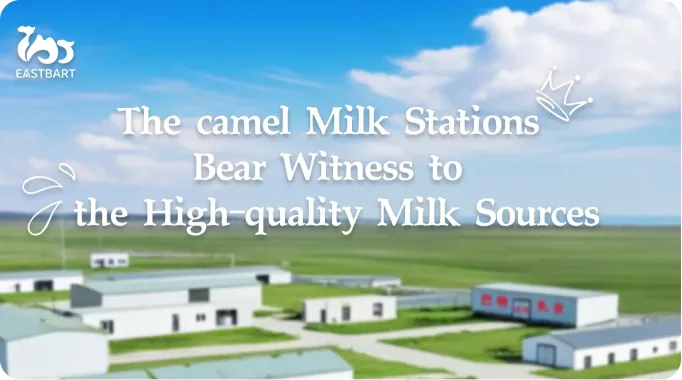
EASTBART has four high-quality and stable camel milk sources in China, ensuring that every drop of camel milk has the highest quality. We have modern production facilities and precise and rigorous production processes. Every step strictly adheres to international standards to ensure that our products are impeccable.


With our large-scale production capacity, we ensure reliable and stable supply to meet your needs. No matter where you are, EASTBART's intelligent logistics system can deliver your orders quickly and accurately, provide timely services, and support the smooth operation of your business.


Choosing EASTBART not only means choosing high-quality camel milk products, but also choosing a reliable partner with abundant milk sources, advanced technology and strong production capacity


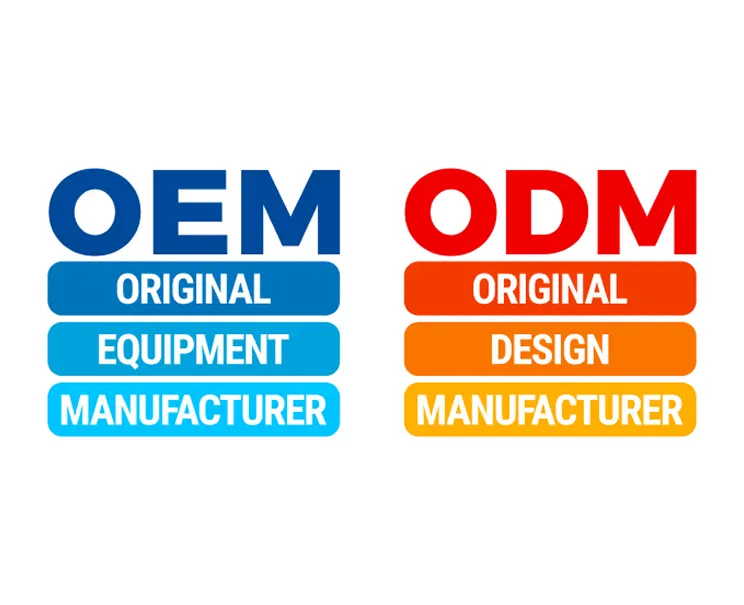
If you would like to know more about OEM cooperation, please feel free to contact us at any time to explore more cooperation opportunities!

Technical Support And After-sales Service

We offer professional support throughout the entire process from inquiry to after-sales service. Strict quality control and complete export documents ensure smooth transactions. In case of any problem, we promise to respond and solve it quickly. We are your reliable long-term partner

  • 01

    Technical Support and After-sales Service

    24-hour global response

  • 02

    Exclusive Technical Team

    Each customer is assigned one project engineer and one food scientist. Reply within 8 hours

  • 03

    Free Marketing Package

    High-definition images, short videos (TikTok/Reels), clinical white papers, Amazon A+ copy

  • 04

    Logistics Visibility

    Each cabinet is equipped with a temperature and humidity probe, and real-time data is automatically pushed to your email /SAP system

  • 05

    Freight Insurance

    PICC product liability insurance, with a maximum of 3 million US dollars per policy

  • 06

    After-sales Review

    Quarterly sales and sensory feedback analysis If the formula needs to be adjusted, an upgrade plan will be provided within 5 days

FAQ

  • Q:

    What nutrients are rich in camel milk?

    A:

    Camel milk is rich in a variety of high-quality proteins, such as immunoglobulin, lactoferrin, lysozyme, etc. These proteins have relatively small molecular sizes, making them more easily absorbed.

    It has lower contents of fat and lactose and contains insulin-like factors, so people with diabetes and other conditions can consume it with confidence.

    It is rich in vitamins and minerals, such as vitamin C, calcium, iron, etc.

    It is rich in 18 kinds of amino acids, including: 1. Glycine; 2. Leucine; 3. Methionine; 4. Tyrosine; 5. Histidine; 6. Threonine; 7. Alanine; 8. Isoleucine; 9. Tryptophan; 10. Cystine; 11. Lysine; 12. Aspartic acid; 13. Valine; 14. Phenylalanine; 15. Proline; 16. Serine; 17. Glutamic acid; 18. Arginine.

  • Q:

    What advantages does camel milk have compared with cow and goat milk?

    A:

    Compared with cow milk and goat milk, camel milk has certain advantages in terms of nutritional components, digestion and absorption, special effects, and suitable populations.

    In terms of nutrition, it contains unique bioactive proteins. The fat globules are small, and there is a high content of unsaturated fatty acids. The vitamin C content is three times that of cow milk and twice that of goat milk, and the iron content is ten times that of cow milk and five times that of goat milk. Camel milk contains 18 kinds of amino acids essential for the human body.

    Regarding digestion and absorption, the protein structure of camel milk is special, resulting in a lower risk of allergy. The fat and protein particles are small, making it easy for people with weak gastrointestinal functions to absorb.

    In terms of special effects, it contains insulin-like factors, which are beneficial for diabetes patients to regulate blood sugar levels. Moreover, it is rich in immune-active substances, which can effectively enhance immunity.

    Therefore, in addition to people with certain special diseases (such as diabetes patients, those suffering from chronic diseases like hypertension, hyperlipidemia, cardiovascular and cerebrovascular diseases, etc.), people in special occupations, such as residents in plateau areas, athletes, and soldiers, are also more suitable for drinking camel milk to supplement nutrition.

  • Q:

    Is camel milk allergenic?

    A:

    Compared with cow milk and goat milk, the characteristics of camel milk in terms of protein structure, fat content, and lactose content make its theoretical allergenicity possibly relatively lower. It is recommended that people with allergic constitutions first consult a doctor or a professional nutritionist and proceed under their guidance. You can first consume a small amount of camel milk and observe whether there are any allergic symptoms.

  • Q:

    For whom the product is suitable for?

    A:

    There is no fixed restriction on the groups of people who can consume camel milk. Children, students, middle-aged and elderly people, pregnant and lactating women, people with diabetes, those with high blood pressure, high blood lipid and high blood sugar, people with high uric acid, those who need to strengthen their physique, those who need to regulate their intestines and stomach, as well as those who often drink alcohol for social activities can all drink camel milk.

  • Q:

    Why does camel milk taste salty?

    A:

    Camels live in deserts, Gobi areas and other places in Xinjiang and Inner Mongolia. In these places, saline-alkali foods are the main food for camels.

  • Q:

    Why is camel milk powder expensive?

    A:

    In terms of camel farming, the long growth and reproduction cycles of camels limit the number of camels in stock. During the collection and processing of camel milk, female camels only secrete milk when stimulated by their calves. They produce only 2 to 3 kilograms of milk per day. The milking process is complex, and special techniques and equipment are needed in the processing to preserve its nutritional components. In addition, the high nutritional value of camel milk is also one of the reasons contributing to the high price of camel milk.

  • Q:

    What is the difference between pure camel milk powder and formula camel milk powder?

    A:

    Pure camel milk powder contains no additives at all, and it has a richer and more mellow taste.

    Formulated camel milk powder, on the basis of camel milk, is scientifically proportioned with trace elements needed by the human body according to the needs of different groups of people. It enriches the vitamins and minerals in camel milk. In fact, the formulated powder has a stronger targeted functionality. People can simply choose according to their own situations.

  • Q:

    I heard that camel milk reduces sugar, how effective are your products for diabetics? How long does it take to effect?

    A:

    Because there are insulin-like ingredients in the composition of camel milk, and Insulin can assist diabetes to lower sugar, the specific effect depends on the individual situation, varying from person to person, depending on the absorption of each person.

  • Q:

    Why choose the EASTBART brand?

    A:

    EASTBART is a group enterprise integrating camel breeding, dairy product research and development, production, sales and transportation. We can guarantee the quality and safety of every can of products.

  • Q:

    The demand and potential of camel milk powder in the international market.

    A:

    Camel milk powder, as a special dairy product, does have growth potential in some markets around the world. Here are some potential markets:


    a) Middle East region


    The demand for camel milk powder is relatively high in the Middle East and North Africa, especially in countries such as the United Arab Emirates, Saudi Arabia, and Oman. The main reason is:


    Camels are traditional livestock in these regions and have deep cultural connections.


    Camel milk is considered a food with health and therapeutic effects.


    These countries have a high demand for dairy products, and the local population has lactose intolerance issues. Camel milk is a good alternative.


    b) European market


    Some European countries, such as France, Germany, and the UK, are increasingly focusing on healthy eating and special dietary needs. Camel milk is gradually gaining attention in these countries, especially for populations with lactose intolerance and those seeking high nutrient alternatives. Especially with the increasing popularity of organic food and health products, the demand for camel milk has grown.


    c) Asian market


    There is also a certain market demand in South Asian countries such as India and Pakistan. Many people in South Asia have a long tradition of using camel milk, especially in the field of health. In addition, as more consumers pay attention to healthy diets and immune boosting products, camel milk has gradually become an emerging demand in these markets.


    d) The US market


    The US market has a certain demand for natural, additive free, functional foods. Camel milk, as a natural and nutritious alternative, has attracted health conscious consumers, especially those who are allergic to milk or lactose intolerant. In addition, some celebrities and health experts have also begun to promote the health benefits of camel milk, driving its market demand.


  • Q:

    Practices of foreign counterparts

    A:

    In overseas markets, camel milk powder manufacturers usually adopt the following methods:


    a) Market positioning


    Foreign camel milk powder manufacturers typically position their products as "high-end, healthy, and natural" foods, emphasizing their benefits for the immune system, gastrointestinal health, and lactose intolerance. Some brands may also launch organic or grass fed camel milk powder, which can attract consumers who are more concerned about health and environmental protection.


    b) Product Innovation


    In order to meet the needs of different consumers, camel milk powder manufacturers will also launch various forms of products. For example, in addition to pure milk powder, we can also introduce:


    Supplements containing different nutritional components (such as probiotics, vitamins, etc.).


    Organic camel milk powder or different formulas such as sugar free and low-fat, catering to the trend of healthy eating.


    c) Certification and labeling


    In the international market, certification is a very important part. For example, having labels such as "organic certification" and "non GMO certification" can enhance consumers' trust in the product.

  • Q:

    Cultural adaptation and localization

    A:

    Understanding and respecting local culture and customs is crucial when entering the international market. for example


    In the Middle East market, camel milk has a cultural background, so localized promotion can emphasize its traditional and health values.


    In the European and American markets, there can be a greater emphasis on health, nutrition, and the functionality of alternative dairy products.

  • Q:

    Key target audience for camel milk powder

    A:

    50+middle-aged and elderly people

    Diabetes and sub healthy people

    High end family and health food users

    middle-aged and elderly population

    silver economy

    children group

    High end consumer group

    sub-healthy population

    Overseas demand logic

    Pay attention to immunity, chronic disease management, and gastrointestinal absorption

    Severe aging in Europe, America, Japan, and the Middle East

    Lactose intolerance, allergic constitution, immune support

    High premium acceptance for healthy, organic, and functional products

    High stress, low immunity, gastrointestinal problems

  • Q:

    Types of applicable channels for camel milk powder

    A:

    High end organic supermarkets

    Nutritional Channel

    Medical and health channels

    e-commerce

    Gift channel

    Gifts from Middle Eastern royalty and high-end enterprises

  • Q:

    Keywords

    A:

    Functional Nutrition

    Immune Support

    Digestive Friendly (easily absorbed)

    Diabetes Friendly (blood sugar friendly)

    Premium Dairy Alternative

  • Q:

    Summary

    A:

    To successfully enter foreign markets, you need to understand the consumer needs, cultural backgrounds, and potential product positioning of each target market. Meanwhile, by implementing appropriate marketing strategies and localized promotion methods, the brand's exposure and credibility can be enhanced. I hope these suggestions are helpful to you, and I wish your camel milk powder products success in the global market! If you have any other specific questions, please feel free to consult at any time!

Video

EASTBART Milk Station: The Outstanding Guardian of the Quality of Camel Milk

EASTBART Milk Station: The Outstanding Guardian of the Quality of Camel Milk

Want to speak to us?

If you want to get more information about camel milk powder, please contact us

Hot Products

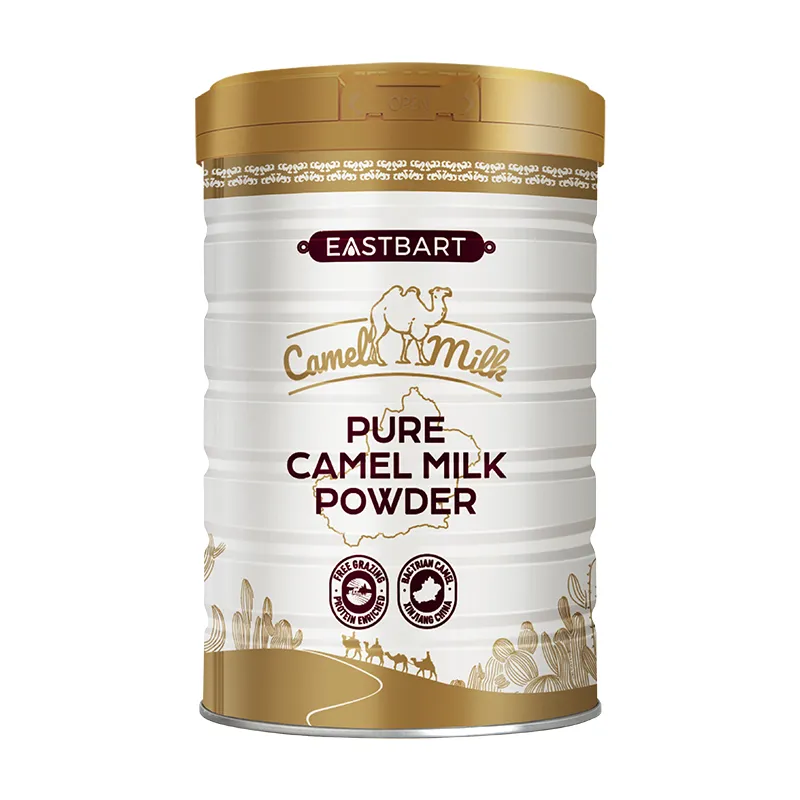
100% Natural & Pure Camel Milk Powder

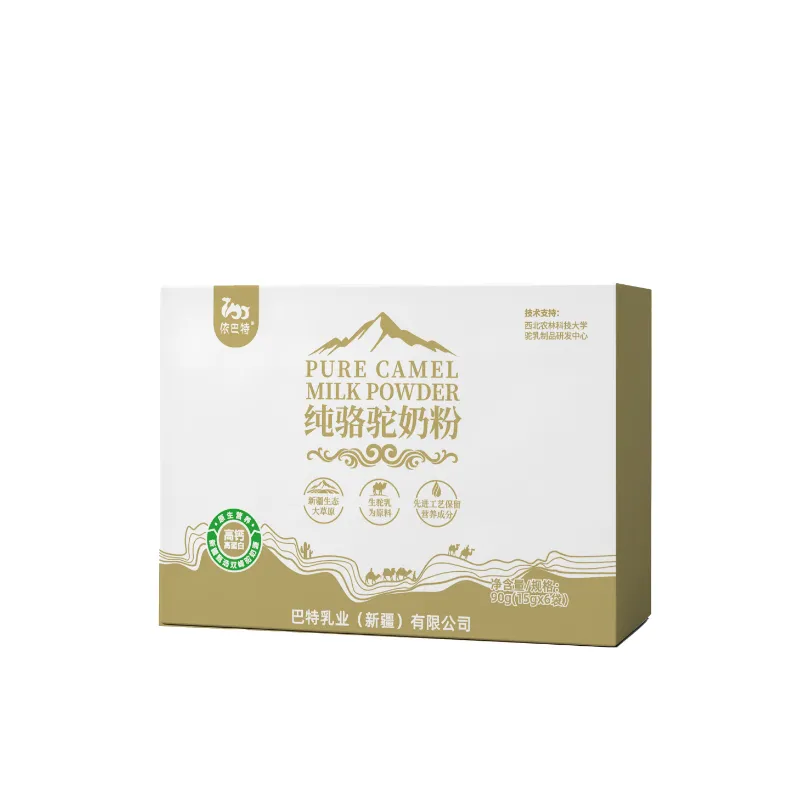
Pure camel milk powder is made of fresh camel milk from Yilike steppe in Xinjiang and is produced by advanced low temperature sterilization and modern drying technology.

The product retains the rich nutrients in fresh camel milk and the special active substances in camel milk.

Camel Milk Powder Pure Natural

No material elements are added, and all the nutrients in pure camel milk are completely retained, only water and some fat are removed. It is produced with advanced technology.

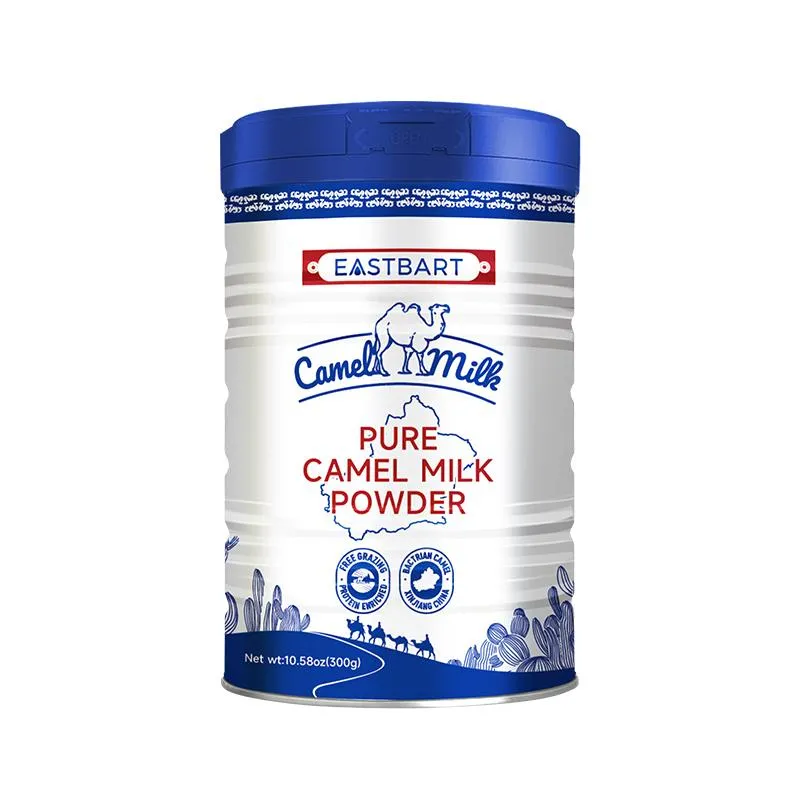
Pure Camel Milk Powder

Pure camel milk powder, made from 100% raw camel milk

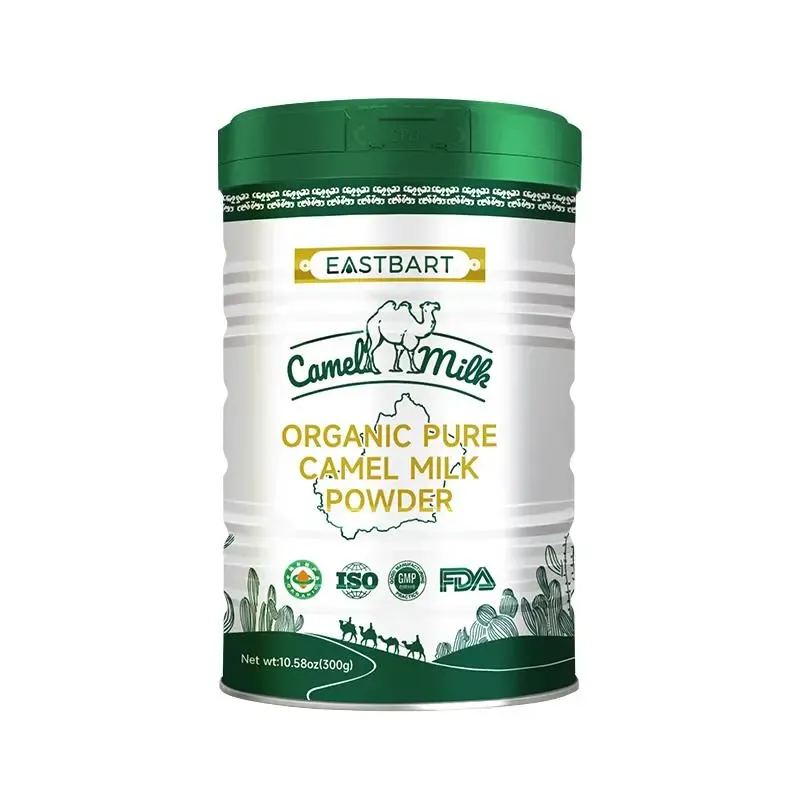
EASTBART Oganic Camel Milk Powder

This product is specially selected with fresh raw camel milk as the raw material from 666.6 hectares of organic pastures in the Ta'er Basin, Xinjiang.Adopting the DSI technology (Direct Steam Injection Sterilization Technology) for instantaneous sterilization within 0.001 seconds.

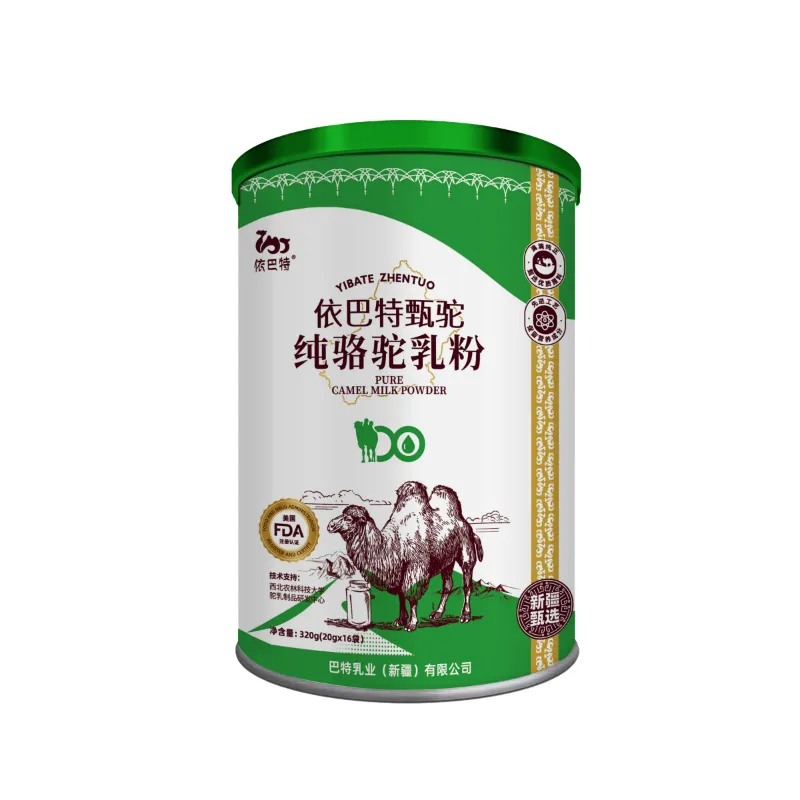
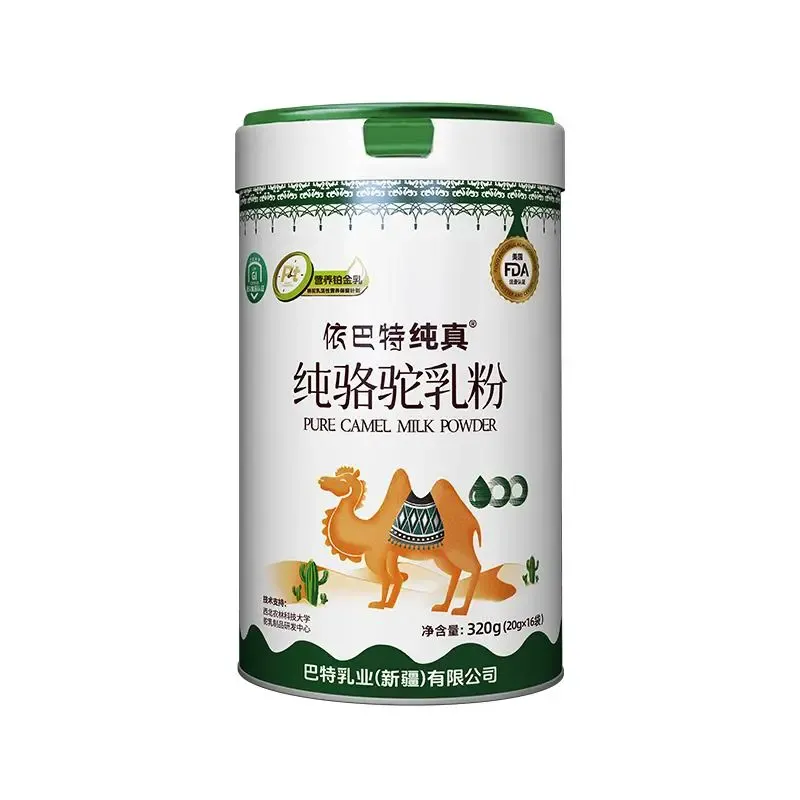
EASTBART Chunzhen Pure Camel Milk Powder

The camel milk is carefully selected from free - ranging Bactrian camels in the Ta'e Basin of Xinjiang. Located in the golden milk source belt at 47° north latitude, this area is rich in grass and shrub vegetation such as Haloxylon ammodendron and Apocynum venetum, providing organic nutrition for the camels.

100% Pure Camel Milk Powder

Pure camel milk powder is made of fresh camel milk from Kurustai Steppe in Xinjiang and is produced by advanced low temperature sterilization and modern drying technology.

The product retains the rich nutrients in fresh camel milk and the special active substances in camel milk.

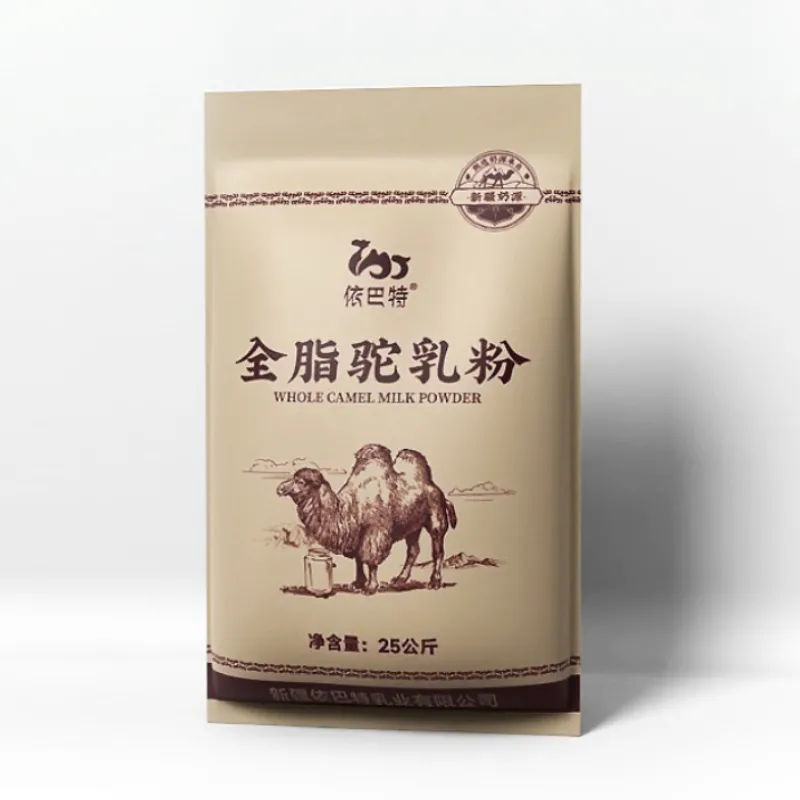
Whole Camel Milk powder

If you are looking to wholesale high - quality raw camel milk powder, EASTBART is your best choice! Our raw camel milk powder is sourced from Bactrian camels in the natural pastures of Xinjiang. These camels are free - range and feed on natural forage, ensuring that every drop of milk source is pure, pollution - free, and of excellent quality.

EASTBART has advanced production technology, which fully preserves the rich nutrients in camel milk, such as protein, vitamins (such as A, D, E, and B - complex vitamins), and minerals (calcium, iron, zinc, etc.). From milk source collection to production and transportation, the entire process strictly follows the quality system standards.

We offer a variety of packaging specifications to meet the needs of different channels. Moreover, our wholesale prices are highly competitive, providing partners with generous profit margins. At the same time, EASTBART is equipped with professional market support and attentive after - sales service, ensuring that your wholesale cooperation is worry - free and enabling us to jointly win in the health market!